
 Facebook
 X
X
 Pinterest
 Copy Link
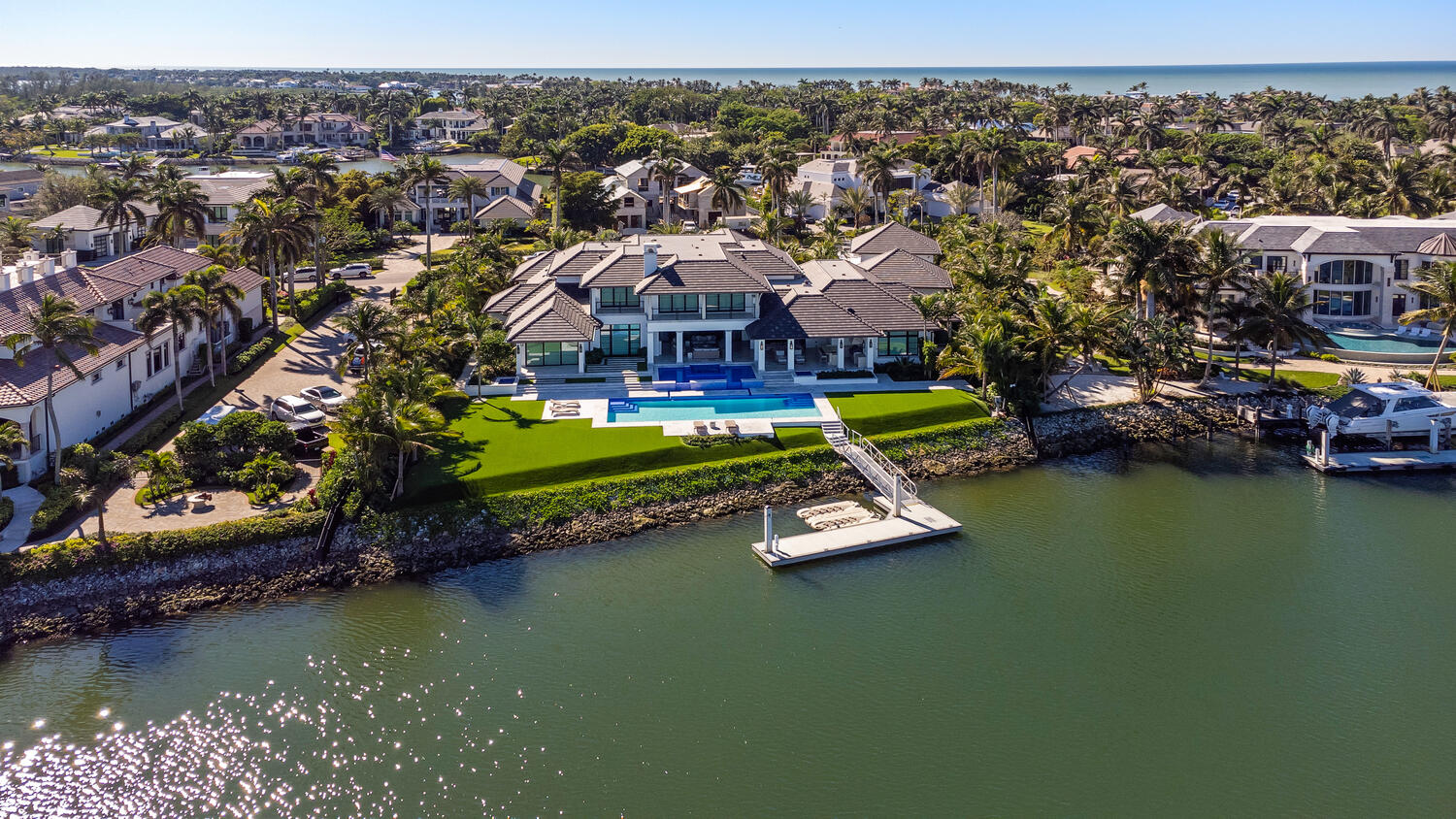
Own or Planning a Move to Florida? Why Luxury Homeowners and Buyers Should Watch This Proposed Tax Amendment
Florida’s Proposed Property Tax Amendment: What Current Owners and Future Residents Should Know
Florida lawmakers recently approved a proposed property tax amendment. It has passed both the Florida House and Senate. The proposal is expected to appear on the November 3, 2026 ballot.
This is important, but it is not law yet. Florida voters still need to approve it. Because it would change the Florida Constitution, at least 60% of voters must vote yes before it can take effect.
If approved, the amendment could expand property tax relief for Florida residents who own and live in their homes as their permanent residence.
It could also matter to people who already own property in Florida but have not yet claimed homestead. That includes many seasonal owners, second-home owners, and future retirees.
What Is Being Proposed?
Florida already gives a homestead exemption to many residents. This applies when someone owns a Florida home and uses it as their permanent residence.
The proposed amendment would increase the homestead exemption for non-school property taxes.
- $150,000 beginning January 1, 2027
- $250,000 beginning January 1, 2028
The larger exemption would not apply to school district taxes. It also would not eliminate property taxes. It would only reduce certain property taxes for qualified Florida homestead residents.
Why the Timing Matters
For Florida homestead purposes, January 1, 2027 is an important date.
In general, a property owner must own and live in the home as a permanent residence as of January 1 of the tax year. The owner must also file for homestead by the required deadline.
Under this proposal, timing may become even more important.
People who are already Florida permanent residents and qualify for homestead before the effective date would generally be eligible for the expanded exemption when it takes effect, assuming the amendment is approved by voters.
Under the current proposal, property owners who are not established Florida permanent residents by December 31, 2026 may be required to maintain Florida residency for five years before becoming eligible for the expanded homestead exemption.
This distinction could be important for seasonal residents, future retirees, and people considering a move to Florida over the next several months.
That means this proposal is not only important for future buyers. It may also matter to people who already own property in Florida but have not yet made it their homestead.
For Current Florida Owners Who Have Not Homesteaded
This group should pay close attention to the January 1, 2027 date.
Many people own property in Florida as a second home, seasonal home, investment property, or future retirement home. Some spend a great deal of time here but still claim another state as their main residence.
If you already own Florida property and plan to make Florida your permanent home, this proposal may make the timing of that decision more important.
Simply owning property in Florida is not enough. To qualify for homestead, the property generally must be your permanent residence. You should be able to show that Florida is your true home, not just a place you visit part of the year.
For Future Buyers
Future buyers should also pay attention to the January 1, 2027 date.
If the amendment passes on November 3, 2026, buyers who expect to establish Florida as their permanent residence should pay close attention to the residency requirements and timing provisions contained in the proposal.
Under the current language, the key consideration may not simply be when a property is purchased, but whether Florida residency and homestead eligibility have been properly established by the applicable deadlines.
That may include steps such as getting a Florida driver’s license, registering to vote in Florida, filing a Declaration of Domicile, updating mailing addresses, and ending any homestead or primary-residence tax benefit in another state.
Every situation is different. Buyers should speak with the proper tax, legal, or property appraiser resources before making residency decisions.
For Seasonal Residents
Seasonal residents should be especially careful.
Owning a Florida home does not automatically make someone a Florida resident for homestead purposes. Spending the winter here does not automatically qualify either.
The key question is simple:
Is the Florida property truly your permanent residence?
Florida may look at many factors. These can include your driver’s license, voter registration, mailing address, tax filings, vehicle registration, and whether you claim a similar tax benefit in another state.
What This Could Mean for Collier County
Any discussion about the local impact should focus on Collier County, not just the state as a whole.
Collier County has a broad tax base. It includes primary homes, second homes, vacation properties, rental properties, commercial real estate, vacant land, and other non-homestead property.
That matters because homesteaded properties are only one part of the county’s total tax base.
Before drawing conclusions about how this amendment could affect Collier County services, it is important to know the actual local numbers. I have requested tax roll data from the Collier County Property Appraiser’s Office. Once I receive that information, I will provide an update.
If homesteaded properties make up a smaller share of the county’s total property tax revenue, the impact may be more limited than some general discussions suggest.
The proposal may also affect non-homestead properties. It would reduce the annual assessment cap from 10% to 5%. That could affect future taxable-value growth for commercial, rental, vacation, and investment properties.
The key point is this: Collier County’s tax base does not come only from permanent-resident homeowners. Any estimate of the local impact should use actual Collier County tax roll data.
What Property Owners and Future Residents Should Consider
If you own Florida property but have not yet homesteaded, this may be a good time to review your plans.
Questions to consider include:
- Do I plan to make Florida my permanent residence?
- Do I already own a Florida property that could become my homestead?
- Am I claiming a homestead or primary-residence tax benefit in another state?
- Can I establish Florida residency before January 1, 2027?
- Should I speak with a CPA, attorney, or the county property appraiser?
Because the proposal contains residency and timing provisions that could affect eligibility for the expanded exemption, property owners and prospective buyers should carefully evaluate their individual circumstances. Small differences in timing may have meaningful implications if the amendment is ultimately approved by Florida voters.
The answers may affect how this proposal could apply to you if voters approve it.
Have Questions About Your Florida Plans?
Every situation is different. This is especially true for seasonal residents, second-home owners, and people moving from another state.
While I cannot provide legal or tax advice, I can help you think through the real estate timing issues and connect you with the right local resources.
If you already own property in Southwest Florida but have not homesteaded, or if you are thinking about buying and becoming a Florida resident, this may be a good time to review your options.
Many property owners are surprised to learn that simply owning a Florida property does not automatically qualify them for homestead benefits. If you are unsure whether you qualify, what steps are required, or how the process works, I can help point you toward the appropriate resources and explain the general timeline involved.
Likewise, if you are considering purchasing a Florida property, I can help you evaluate available opportunities, discuss the timing of a potential purchase, and help you understand the general steps involved in establishing Florida residency and homestead eligibility. While legal and tax advice should come from qualified professionals, understanding these considerations early can help you make more informed real estate decisions.
Final Takeaway
Florida’s proposed property tax amendment could be meaningful for current homestead owners, Florida property owners who have not yet established homestead, seasonal residents, future retirees, and buyers considering a move to Florida.
If approved by voters, the proposal may create important distinctions between those who have already established Florida residency and those who do so after the effective dates outlined in the amendment.
If you already own property here, now may be the time to decide whether Florida will become your permanent home.
If you plan to buy, the timing of your purchase and residency decision may matter.
Either way, this is a proposal worth watching closely.
If you would like to discuss how this proposal may fit into your Southwest Florida real estate plans, please contact me. Whether you are considering a move to Florida, purchasing a property, establishing homestead on a property you already own, or simply trying to better understand the potential implications of this proposal, I would be happy to help you evaluate the real estate considerations and connect you with the appropriate tax, legal, or property appraiser resources for guidance specific to your situation.
Thinking About Homesteading or Moving to Florida?
- Already own a Florida property but have not established homestead?
- Considering making Florida your permanent residence?
- Planning to purchase a Florida home?
- Looking for guidance on the homestead process and local resources?
Contact Maria Pizzino, Marco Island Specialist and Luxury Property Advisor, for information regarding homestead considerations, Florida residency planning, and current opportunities in Naples and Marco Island.
Strategic. Trusted. Proven.
About Maria Pizzino
Maria Pizzino is a certified global luxury property specialist/advisor serving Naples and Marco Island, Florida, specializing in waterfront and luxury residential properties. With a background in business consulting, computer science, and mathematics, she provides clients with strategic, data-driven market insight and highly personalized representation tailored to Southwest Florida’s evolving luxury market.
Strategic. Trusted. Proven.
© 2026 Maria Pizzino / Pizzino Luxury Group. All rights reserved.
For informational purposes only. Not legal, tax, insurance, construction, or financial advice. Property tax laws and constitutional amendments may change during the legislative and voter approval process. Buyers, sellers, and property owners should consult appropriate licensed professionals.
